Making Something From Nothing: The Eastern European Superpower America Is Finally Waking Up To
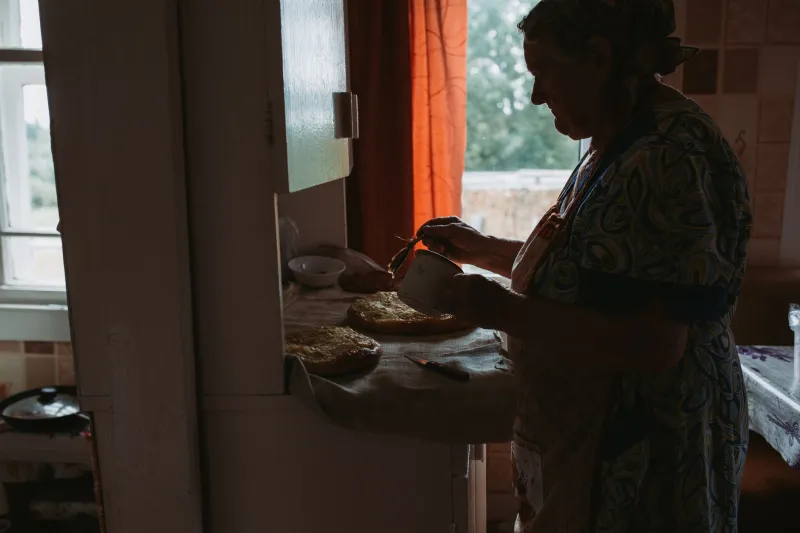
There's a jar of bacon grease sitting on my grandmother's stove right now. It has been sitting there, in varying quantities, for approximately forty years. It is not a lifestyle choice. It is not a TikTok trend. It is simply the obvious thing to do with bacon grease, because you can cook with it, and throwing away something you can cook with is the kind of behavior that gets you talked about at family gatherings.
This is where Eastern European resourcefulness begins. Not with a Pinterest board. Not with a minimalism podcast. With a jar of fat and the quiet, unshakeable conviction that waste is embarrassing.
The Scarcity That Shaped Everything
To understand why Eastern Europeans treat resources the way they do, you need a rough sketch of the last hundred years. Shortages. Rationing. Economies that collapsed and were rebuilt and collapsed again. Generations of people who learned, at a cellular level, that the thing you have right now might be the last of it for a while—so you use all of it, fix it when it breaks, and find a second purpose for it when the first one runs out.
This isn't poverty tourism or trauma cosplay. It's a functional philosophy that got baked into the culture so deeply that even people who grew up comfortable still live by it. My uncle is a successful engineer in Warsaw. He still repairs his own shoes. Not because he can't afford new ones. Because a shoe with a worn heel is a shoe with a worn heel, not a shoe that needs to be replaced.
The distinction matters more than it sounds.
What 'Fixing Things' Actually Teaches You
American consumer culture is built on a specific kind of helplessness. Something breaks, you replace it. Something's inconvenient, you outsource it. There's an entire economy dedicated to making sure you never have to figure anything out yourself—and it's very good at its job.
Eastern European households operate on a different assumption: that most problems have a solution you can find yourself if you look hard enough and aren't too proud to try something ugly first. The result is a population of people who are, almost accidentally, extremely good at improvisation.
Need a funnel? Cut the top off a plastic bottle. Zipper broken? There are three techniques before you even consider buying a new jacket. Soup too thin? It's not soup yet. Keep going.
This sounds small. It isn't. The cognitive habit of asking how do I solve this with what I have instead of what do I need to buy to solve this is genuinely different wiring. And it turns out to be wildly useful in contexts that have nothing to do with kitchens or broken appliances—job interviews, startup problems, creative blocks, budget crunches.
The Meal That Never Ends
Food is where Eastern European resourcefulness becomes almost philosophical. A roast chicken is not dinner. It's the beginning of a four-day conversation. The meat is dinner. The carcass is stock. The stock is soup. The soup has vegetables in it that become tomorrow's side dish. Nothing stops until the pot is genuinely, completely empty—and even then, someone's probably going to scrape it.
This approach to cooking is having a quiet moment in American kitchens, rebranded as 'zero-waste cooking' or 'nose-to-tail eating' and written up in food magazines as though it's a radical new idea. It is not a radical new idea. It is what every Eastern European grandmother has been doing since before your favorite chef was born, without the cookbook deal.
Gen Z, drowning in grocery bills and vaguely guilty about their environmental footprint, is discovering that cooking this way is both cheaper and genuinely more satisfying. There's something that feels different about finishing a pot of soup you built across three days versus ordering DoorDash. It's not nostalgia. It's competence. And competence feels good.
Why American Consumer Anxiety Is a Resourcefulness Problem in Disguise
Here's the uncomfortable diagnosis: a lot of American consumer anxiety isn't really about money. It's about the feeling of having no agency over your own material life. When everything is disposable, nothing feels solid. When you outsource every repair, every meal, every inconvenience, you end up in a relationship with your own life that feels weirdly passive.
Eastern European resourcefulness is the antidote to this, not because it's virtuous, but because it's engaging. Fixing your own stuff means you understand your own stuff. Cooking from scratch means you know what's in your food. Making something stretch means you made a decision, executed it, and it worked. These are small wins, but small wins compound.
The minimalism movement tried to get at this and mostly ended up selling expensive linen and telling people to throw away their books. What it was actually reaching for—a more intentional, less passive relationship with material life—is something Eastern European culture figured out through necessity a long time ago.
The Trend That Isn't Really a Trend
You can see it happening in slow motion on social media. The fermentation revival. The visible mending movement—people darning their socks on camera, patching jeans with embroidery, making the repair part of the aesthetic. Cottage food culture. The quiet return of people who know how to do things.
None of this is new in Eastern Europe. It's just new to American audiences who are rediscovering it without necessarily knowing where it came from.
That's fine. Ideas don't need passports. But it's worth knowing that somewhere in a Warsaw apartment or a Bucharest kitchen, someone's grandmother is watching this trend with the polite bemusement of a person watching someone discover that water is wet.
The jar of bacon grease is still on the stove. It'll be there next week too.
Some things don't need to be reinvented. They just need to be remembered.